Fresh Basil Pesto
Highlighted under: Basic Recipes
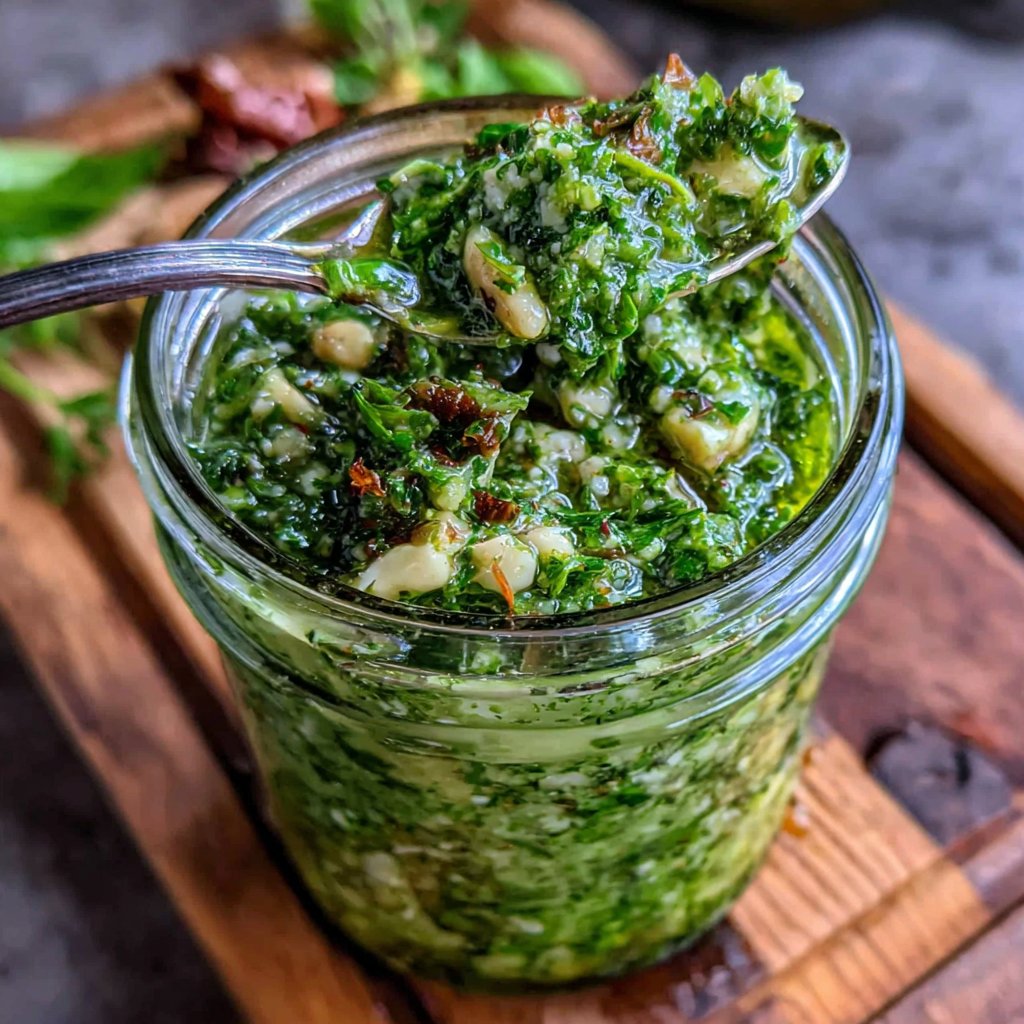
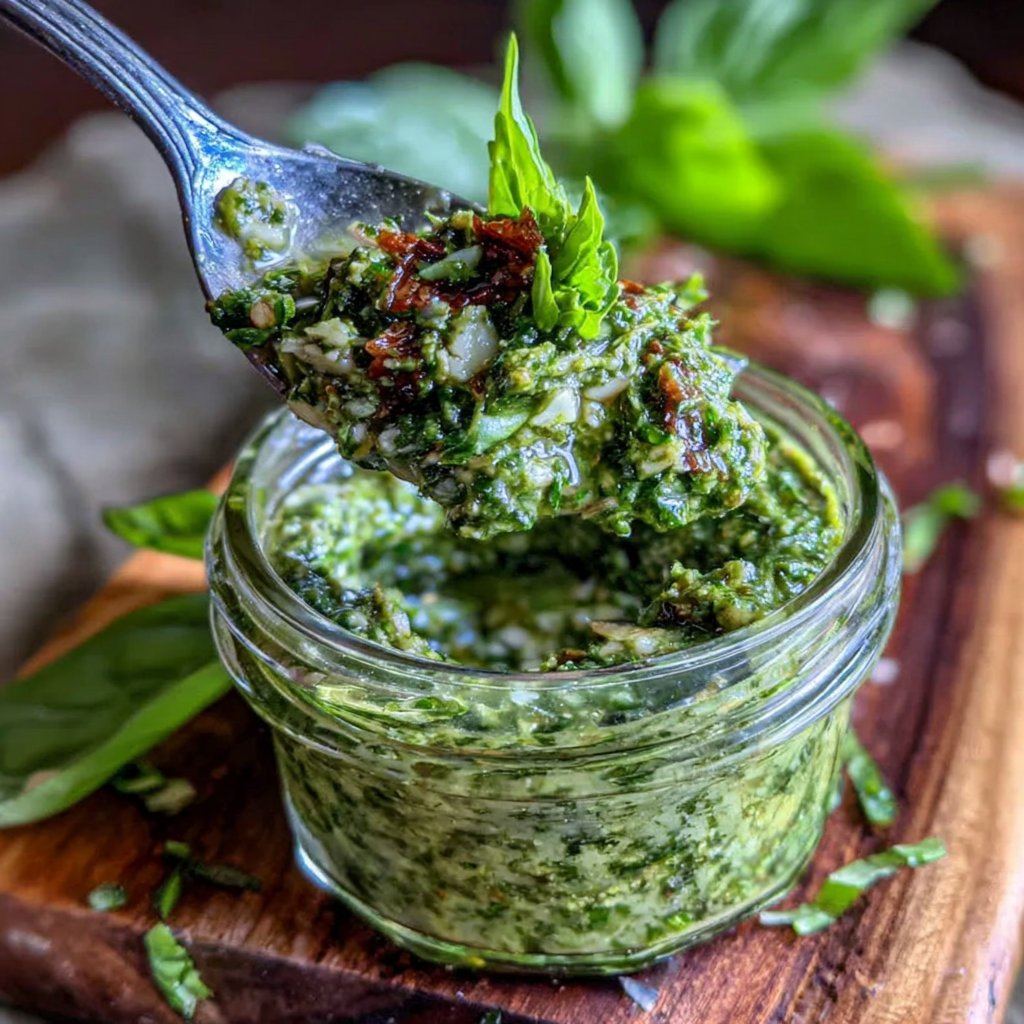
I absolutely adore making fresh basil pesto during the summer when basil is at its peak. The vibrant green color and aromatic scent fill my kitchen with warmth and nostalgia. Whether I’m tossing it with pasta, slathering it on a sandwich, or using it as a dip, homemade pesto can elevate any dish. By using fresh ingredients and a touch of lemon, I found that this recipe stays bright and flavorful, perfect for preserving that summer essence for months to come.
Making my own pesto has opened up a world of flavors that store-bought versions just can't compete with. I remember my first batch; I was nervous about blending, but let me tell you, the fresh basil married with garlic and pine nuts turned out to be a delightful combination! I’ve also learned that the quality of your olive oil really makes a difference, bringing depth and richness to the final product.
One key tip I picked up is to add a squeeze of lemon juice to the mix. This little addition not only enhances the vibrant basil flavor but also keeps the pesto bright and green for longer. I often make a double batch to freeze in ice cube trays, so I always have some handy for last-minute dinners!
Why You’ll Love This Recipe
- Bright and flavorful made with fresh ingredients
- Versatile and easy to adapt for different dishes
- A simple way to preserve the taste of summer
Choosing the Best Basil
For the brightest flavor in your Fresh Basil Pesto, selecting the freshest basil is key. Look for vibrant green leaves without any brown spots or wilting, as they indicate quality. The aroma should be fragrant and slightly sweet. With recommended varieties like Genovese or Sweet basil, you’ll experience a slightly peppery and milkier note in your pesto, which can enhance the overall taste immensely.
If fresh basil isn't available, consider using frozen basil leaves or substituting with other herbs like parsley or arugula for a unique twist. However, keep in mind that the flavor profile will change slightly, so adjust your garlic and cheese accordingly to maintain the balance.
Adjusting Texture and Consistency
Achieving the perfect pesto texture is all about how you blend your ingredients. For a smoother consistency, blend longer, ensuring all components are emulsified. If you prefer a chunkier pesto, pulse the mixture just until the basil and nuts are chopped but not completely smooth. Don't be afraid to stop and scrape down the sides of your food processor to ensure even mixing.
If your pesto turns out too thick after blending, you can easily adjust it by adding a bit more olive oil, one tablespoon at a time, until you reach your desired consistency. Remember, the pesto should be smooth and glossy but still have body to cling to your pasta or bread.
Storage and Freezing Tips
To preserve your Fresh Basil Pesto for longer, proper storage techniques are essential. You can store it in an airtight container in the refrigerator for up to a week. To prevent browning, drizzle a thin layer of olive oil on top before sealing. This will also keep the flavors vibrant.
For longer-term storage, pesto freezes beautifully. Spoon your fresh pesto into ice cube trays and freeze. Once solid, transfer the cubes to a resealable freezer bag. When you're ready to use it, simply pop out a cube and thaw it in the fridge overnight, or drop it straight into a warm pasta dish to melt through.
Ingredients
Ingredients for Fresh Basil Pesto
Ingredients
- 2 cups fresh basil leaves, packed
- 1/2 cup extra-virgin olive oil
- 1/3 cup pine nuts (toasted for extra flavor)
- 3 cloves garlic, minced
- 1/2 cup grated Parmesan cheese
- Juice of 1 lemon
- Salt and pepper to taste
Enjoy your fresh basil pesto in various dishes!
Instructions
Steps to Make Fresh Basil Pesto
Blend the Ingredients
In a food processor, combine the basil leaves, garlic, and pine nuts. Pulse until finely chopped.
Add Olive Oil
With the processor running, slowly drizzle in the olive oil until the mixture is well blended and creamy.
Incorporate Cheese and Lemon
Add the grated Parmesan cheese and lemon juice to the pesto, mixing until fully combined. Season with salt and pepper to taste.
Store your pesto in an airtight container in the fridge for up to a week or freeze for later use!
Pro Tips
- For an added twist, try substituting some of the basil with arugula or spinach for a different flavor profile.
Serving Suggestions
One of the best parts about homemade pesto is its versatility. You can serve it as a traditional pasta sauce, but don't stop there! Try spreading it on grilled meats, fish, or veggies for an extra layer of flavor. It also makes a delightful topping for bruschetta or as a sandwich spread, giving an Italian flair to your lunch.
For a fun twist, mix your pesto with cream cheese or Greek yogurt for a quick and creamy dip. Just serve it with fresh vegetables or crackers, and you’ll have a quick appetizer that impresses guests without much effort. The possibilities are endless!
Variations to Try
Experimenting with different nuts can vastly change the flavor profile of your pesto. Instead of pine nuts, you can use walnuts, almonds, or even pistachios. Each nut brings its unique taste and texture to the dish, so don't hesitate to try different combinations to find your favorite.
Furthermore, adding other ingredients can elevate your pesto experience. Consider mixing in sun-dried tomatoes for a sweeter note or some nutritional yeast to boost the cheesy flavor while making it vegan. Play around with the ingredient ratios until you find your perfect blend.
Common Mistakes and Fixes
A common issue with making pesto is the garlic overpowering the other flavors. Start with less garlic than you think you'll need, as it can intensify with storage. You can always add more if necessary, but it’s hard to adjust once the flavors have blended together.
Additionally, if your pesto comes out too bitter, check whether your basil was fresh and vibrant, as older leaves can impart a harsh flavor. Adding more lemon juice or olive oil can help balance the bitterness, enhancing the overall taste.
Questions About Recipes
→ Can I use walnuts or almonds instead of pine nuts?
Absolutely! Walnuts or almonds can provide a different texture and flavor while still being delicious.
→ How can I prevent my pesto from browning?
Adding a bit of lemon juice helps to prevent browning and keeps your pesto vibrant.
→ Can I make this vegan?
Yes! Simply omit the Parmesan cheese or use a vegan substitute to make it dairy-free.
→ How should I store fresh basil pesto?
Store in an airtight container in the fridge for up to a week, or freeze in ice cube trays for longer storage.
Fresh Basil Pesto
Created by: The Chefsimonsfood Team
Recipe Type: Basic Recipes
Skill Level: Beginner
Final Quantity: 1 cup
What You'll Need
Ingredients
- 2 cups fresh basil leaves, packed
- 1/2 cup extra-virgin olive oil
- 1/3 cup pine nuts (toasted for extra flavor)
- 3 cloves garlic, minced
- 1/2 cup grated Parmesan cheese
- Juice of 1 lemon
- Salt and pepper to taste
How-To Steps
In a food processor, combine the basil leaves, garlic, and pine nuts. Pulse until finely chopped.
With the processor running, slowly drizzle in the olive oil until the mixture is well blended and creamy.
Add the grated Parmesan cheese and lemon juice to the pesto, mixing until fully combined. Season with salt and pepper to taste.
Extra Tips
- For an added twist, try substituting some of the basil with arugula or spinach for a different flavor profile.
Nutritional Breakdown (Per Serving)
- Calories: 280 kcal
- Total Fat: 30g
- Saturated Fat: 4g
- Cholesterol: 10mg
- Sodium: 220mg
- Total Carbohydrates: 4g
- Dietary Fiber: 1g
- Sugars: 0g
- Protein: 4g